DIY Builder, Freelancer, Agency, or Managed Subscription? How Contractors Should Choose a Website Option
Most contractor websites do not fail because the owner picked the wrong font or used the wrong shade of blue. They fail because the site never gets treated like a working part of the sales process. It ends up as a brochure, not a lead machine.
That matters more in home services than in a lot of other industries. A roofing prospect may land on your site during an active leak. An HVAC customer may be sweating through a July afternoon. A plumbing lead may be standing in a wet kitchen with a phone in one hand and a towel in the other. In those moments, nobody wants to dig through vague copy, giant paragraphs, or a five-minute contact form. They want speed, clarity, and a reason to trust you quickly.
If you own a roofing, HVAC, plumbing, electrical, remodeling, pool building, landscaping, or fire protection business in the United States, the question is not whether you need a website. The real question is what kind of website setup makes sense for the way you run your business. Should you build it yourself? Hire a freelancer? Bring in an agency? Go with a managed monthly subscription?
The honest answer is that each option can work. Each option can also waste your money if it does not match your stage, your budget, your urgency, and your willingness to manage details.
Start with the job your website actually needs to do
Before comparing providers, it helps to reset the goal. A contractor website has a few practical jobs.
It should load fast, especially on mobile. It should make it easy to call you, text you, or request a quote. It should show the services you offer and the areas you serve. It should give enough proof that a homeowner feels comfortable taking the next step. It should support your visibility in local search by keeping your business information clear and consistent.
That is the baseline. Fancy design comes after that.
A lot of contractors get distracted by the wrong contractor website design things. They debate whether a homepage video is worth it, or whether the logo should be moved an inch to the left, while the phone number is buried, the quote form asks too many questions, and there is no clear page for “water heater repair in Sugar Land” or “commercial fire sprinkler inspection in Katy.”
A good website for a home service company usually feels simple to the customer. That simplicity takes some judgment behind the scenes.
What makes a contractor website generate leads
You can often predict whether a website will pull its weight within a minute or two of using it on a phone.
A strong contractor site usually opens with a clear headline that says what you do, where you do it, and how to contact you. It does not make the visitor guess whether you handle residential work, commercial work, emergency service, installations, repairs, or maintenance. It puts the local phone number in plain sight. It offers tap-to-call functionality because a lot of local service decisions happen on smartphones. It gives people a short path to action.
Short matters. I have seen many quote forms that look like tax paperwork. Full name, address, property type, budget, timeline, referral source, preferred date, photo upload, detailed description, and a long drop-down menu before the person can even hit submit. That may feel thorough from the contractor side, but it often kills lead volume. For many trades, name, phone, zip code, service needed, and maybe a short message are enough to start the conversation.
The same goes for trust signals. Homeowners often look for reviews and signs that you are legitimate before contacting you. That does not mean stuffing a page with self-praise. It means showing real Google reviews on the site, keeping your company details accurate, posting photos of real work, and building useful service pages instead of thin sales copy. Before-and-after galleries can be especially effective for remodelers, landscapers, roofers, painters, and pool builders because the work is visual. For HVAC, plumbing, electrical, and fire protection, photos of clean installs, trucks, technicians, and jobsite professionalism can still do a lot of heavy lifting.
Service pages and service-area pages matter, too. If you handle drain cleaning, sewer line repair, tankless water heaters, and water filtration, those should not all live in one generic “plumbing services” paragraph. The same goes for electrical panels, EV charger installs, indoor lighting, generator hookups, and troubleshooting. Clear pages help people find what they need, and they also help search engines understand your site better.
Then there is follow-up. A website can get the lead, but if no one responds, the opportunity dies. That is why missed-call text-back tools and site chat can be useful. A basic version might text a customer who called after hours and ask if they want to schedule service. Some companies also use AI chat on the site to answer common questions and capture leads when the office is busy. That only helps if the setup is practical and the handoff to a real person is smooth.
The website choice is really a business model choice
When contractors ask, “Which website option is best?” what they often mean is, “How much of this do I want to own, manage, supervise, and troubleshoot myself?”
That is the heart of it.
A website is not a one-time purchase in any meaningful sense. Domains renew. Hosting needs attention. Plugin conflicts happen. Photos need updates. Team members change. Service areas expand. Reviews should be added. Hours need correcting. Landing pages get built. Forms break. Spam shows up. Security matters. Mobile issues appear after software updates. Your Google Business Profile needs to stay aligned with what your website says.
So when you choose DIY, freelancer, agency, or managed subscription, you are also choosing how those ongoing jobs get handled.
DIY builders are best for contractors with more time than urgency
DIY builders appeal to owners because the upfront cost looks manageable and the platforms promise speed. For some businesses, that is enough to get started. If you are a solo operator just opening shop, or you need a temporary online presence while you validate a market, a DIY builder can be a reasonable bridge.
The problem is not that DIY tools are useless. The problem is that many contractors underestimate the time cost. A roofer or plumber may think, “I’ll knock this out on Sunday,” then spend three weekends trying to make a template fit a real business.
Templates are built to be broad. Contractor marketing needs to be specific. Your service mix, service area, call handling, review strategy, photo assets, and local search goals all need thought. A generic template rarely forces the right questions. It lets you publish a decent-looking site while still missing the pieces that actually generate calls.
DIY also becomes harder once you need custom pages, conversion improvements, or technical troubleshooting. Maybe the page speed drops because of oversized images. Maybe the mobile layout breaks. Maybe your forms route nowhere. Maybe your service area pages end up duplicated and thin. None of those issues are impossible to solve, but they take focus.
If you go DIY, be disciplined. Treat the website like a sales asset, not a side hobby. Write clear service pages. Use real photos when possible. Make the phone number visible in the header. Keep the form short. Add reviews to the site. Check every page on a phone, not just a desktop screen.
Freelancers can be a strong fit if you know how to manage one
A good freelancer can give you better design and more flexibility than a DIY platform without the cost of a full agency. There are talented independent web designers and developers who do excellent work for local service businesses.
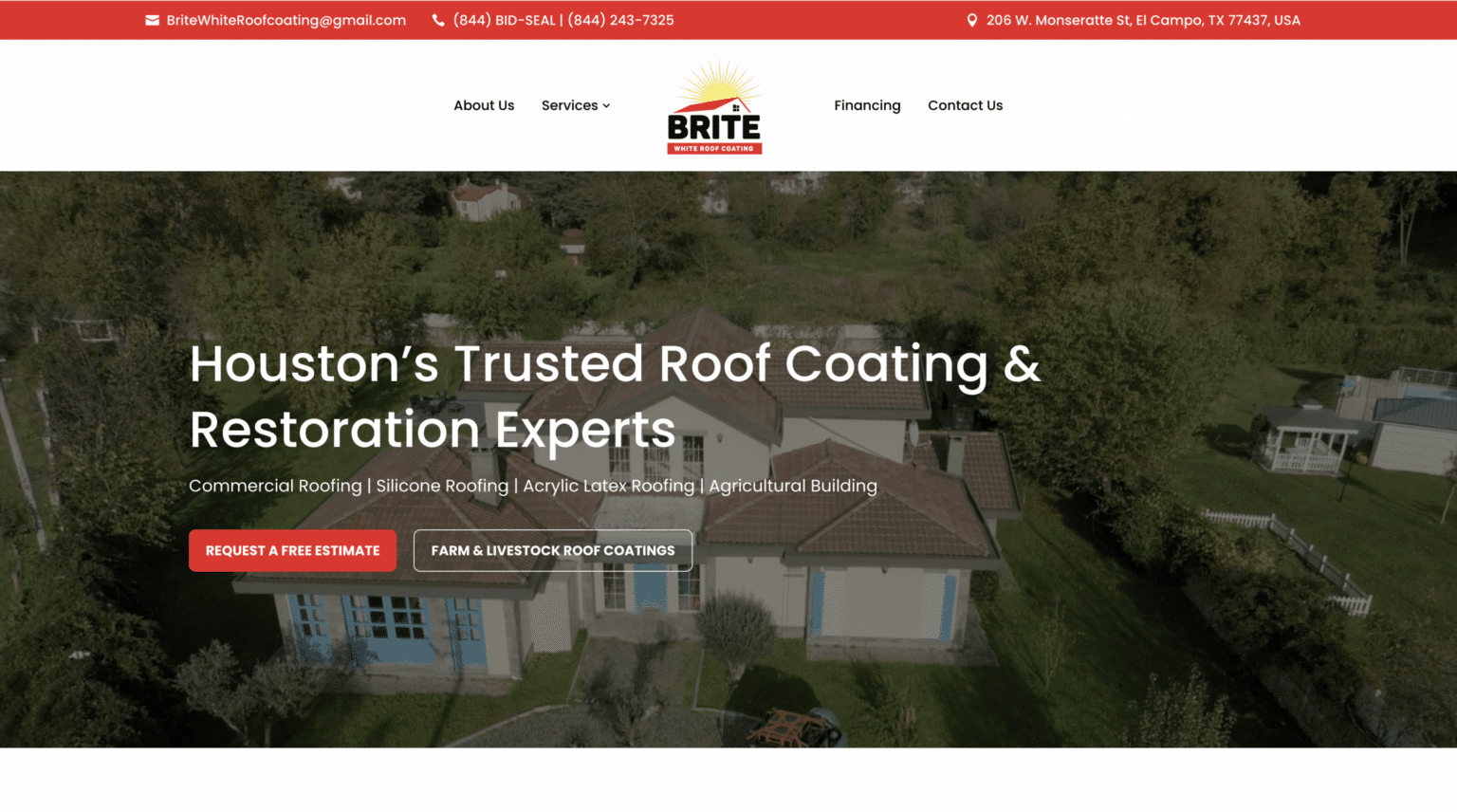
The catch is that freelancer outcomes vary widely. Some are true pros who understand local lead generation. Others are basically artists with a nice portfolio who have never thought about click-to-call, service-area architecture, or how homeowners behave when they need a contractor fast.
A freelancer relationship usually works best when the contractor can provide direction and hold the project together. If you know your services well, can gather photos, can review drafts quickly, and can keep the project moving, a freelancer can be efficient. If you tend to get buried in field work, delay approvals, or need strategic guidance on messaging and page structure, the project may drift.
There is also the support issue. Some freelancers build sites well but do not want to handle long-term updates. Others disappear. Others are great until their workload changes. None of that means freelancers are a bad choice. It just means you should think beyond launch day.
Ask yourself what happens three months later when you add a new service, change office staff, expand into another city, or want a new landing page. If the answer is “I guess I’ll email the freelancer and hope for the best,” you may want a more structured setup.
Agencies make sense when web is part of a bigger growth plan
A good agency can bring strategy, design, copywriting, technical setup, and process. If your company is established, your average job value is healthy, and your growth plan includes search visibility, paid ads, stronger branding, and ongoing optimization, an agency can make sense.
Agencies can also be the right answer when internal bandwidth is low. Many contractors hit a point where they no longer want to chase web tasks between estimates and production meetings. They want a team that owns the details.
But agencies are not automatically better. Some overbuild. Some present polished strategy decks but miss basic contractor conversion needs. I have seen agency sites that look beautiful and still hide the phone number, bury service areas, and send leads through forms so long they feel like permit applications.

There is also the matter of fit. If you are a smaller operation and just need a strong, clean website with reliable support, a full agency engagement may be more than you need. You could end up paying for layers of account management when your main need is simply a site that gets calls and updates quickly.
For agencies, the real question is whether they understand the rhythm of home services. Do they know what a homeowner wants to see when choosing a local electrician? Do they think through emergency calls, financing mentions, project galleries, trust signals, local phone numbers, and how website content supports your Google presence? If not, you may get polished work that does not perform in the field.
Managed website subscriptions are practical for owners who want momentum without heavy oversight
The subscription model has become popular for a reason. Many contractors do not want to pay a large lump sum, then separately figure out hosting, security, edits, and maintenance. They want one monthly arrangement that keeps the site live, current, and supported.
This option can work especially well for owners who value responsiveness and ongoing updates. That is a big deal in home services because websites are never really finished. New service lines appear. Seasonal offers come and go. Office hours shift. Team pages change. New review highlights should be added. Project photos need posting.
A managed subscription can also reduce the common problem where a site launches and then sits untouched for two years. That is one of the biggest silent killers in contractor marketing. The company grows, but the site stays stuck in an old version of the business.
Not every subscription provider is equal, of course. You still have to look at the quality of the design, whether the company understands contractor lead generation, how updates are handled, and whether there is a real point of contact. Some providers are essentially template mills with recurring billing. Others act more like a web partner.
Scalable Websites is one example in this category. The company is based in Houston, Texas, and operates under Douloi Inc. D.b.a. Scalable Websites. They focus on home service contractors and offer professionally designed websites on a monthly subscription that includes hosting, security, unlimited updates, and a dedicated project manager. Their setup may appeal to contractors who want ongoing support rather than a one-time build they have to manage alone. That does not make it the right fit for everyone, but it is the kind of structure many busy owners are looking for.
An honest side-by-side view
Here is the simplest way I would frame the trade-offs:
- DIY builder: lowest upfront cost, highest owner involvement, best for early-stage businesses or hands-on owners with time.
- Freelancer: flexible middle ground, quality depends heavily on the person, best when you can actively manage the project.
- Agency: broader strategy and execution, usually higher cost, best for established contractors with bigger growth goals.
- Managed subscription: predictable monthly spend with ongoing support, best for owners who want a website partner without a large initial project burden.
That is the clean version. Real life is messier. A great freelancer can outperform a weak agency. A disciplined owner can get solid results from DIY. A subscription provider can be either a lifesaver or a disappointment depending on service quality. The category matters less than the execution and the fit.
Common mistakes contractors make, no matter which option they choose
The same problems show up again and again, and they have less to do with who built the site than with how the business thinks about the site.
The first mistake is writing from the company’s point of view instead of the customer’s. Homeowners do not arrive wondering when you were founded or whether you are “committed to excellence.” They want to know whether you handle their issue, whether you serve their area, how fast they can reach you, and whether they can trust you in their home.
The second is building for desktop first. Many contractor sites still look acceptable on a laptop and clumsy on a phone. Buttons get too small. Text stacks awkwardly. Galleries break. Forms become annoying. That is a direct lead loss.
The third is weak local structure. A single “Services” page is rarely enough if you offer multiple specialties. A single vague sentence about service territory is not enough if you cover several cities. Clear, accurate service and location content helps both users and search visibility.
The fourth is slow response after the lead comes in. This is where web performance and operations meet. If your phone goes unanswered, if forms disappear into an inbox nobody checks, or if after-hours visitors have no practical next step, the site underperforms no matter how pretty it is.
The fifth is letting the Google Business Profile and website drift apart. If your hours, phone number, or service descriptions are inconsistent, it creates confusion. Your official website helps support how your business information appears across Google, so keeping details aligned is not busywork. It is part of local visibility.
A short checklist before you hire anyone
Use this when evaluating any website option, whether it is a platform, freelancer, agency, or subscription provider.
- Ask how the site will handle mobile visitors first, especially click-to-call and short quote forms.
- Ask what pages will be built for individual services and service areas, not just the homepage.
- Ask who handles updates after launch, how quickly, and what is included.
- Ask how reviews, project photos, and trust signals will appear on the site.
- Ask what happens when a lead comes in after hours, including chat, forms, or missed-call text-back options.
Those questions cut through a lot of vague sales talk.
The right choice depends on where your business is right now
A one-truck plumbing company in its first year has different needs from a multi-crew remodeling business covering three counties. A pool builder selling high-ticket projects can justify more custom work than a small lawn care startup. An HVAC company with a call center and maintenance plan program needs stronger workflow integration than a solo electrician doing mostly referral jobs.
That is why the “best” website option is never universal.
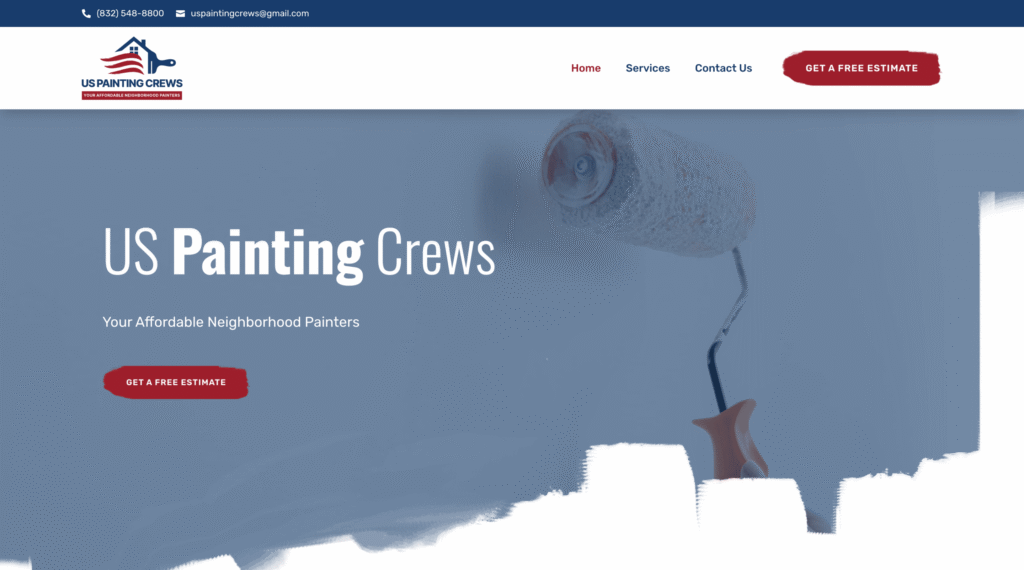
If cash is tight and you are more capable with tech than most owners, DIY may be enough to get moving, as long as you stay focused on speed, clarity, and conversion basics.
If you want professional help without full-agency pricing and you are comfortable managing a creative project, a freelancer can be a smart move.
If your business is established and your website is part of a larger marketing push, an agency may be worth the structure.
If you want the website handled as an ongoing service, with hosting, security, edits, and day-to-day support folded together, a managed subscription is often the most practical choice. For contractors who are tired of chasing separate vendors and surprise maintenance issues, that simplicity can be worth a lot. Some owners will find that a provider like Scalable Websites fits that need, especially if they want one place to call for updates and site management. Others may prefer a more custom or one-time approach. Both can be valid.
The key is to stop thinking of the website as a design purchase. Think of it as a field tool. If it helps customers reach you, trust you, and request service without friction, it is doing its job. If it looks nice but does not support calls, forms, reviews, local visibility, and easy updates, it is just another thing you paid for that your competitors are quietly outperforming.
About Scalable Websites
Scalable Websites builds professionally designed, AI-powered websites for roofers, HVAC companies, plumbers, electricians, remodelers and other home service contractors, with hosting, security, unlimited updates and lead capture included in one monthly plan.
396 Mallorn Lane, Montgomery, TX 77316
Phone: (832) 979-2478
Website: scalablewebsites.com
About Scalable Websites
Scalable Websites builds professionally designed, AI-powered websites for roofers, HVAC companies, plumbers, electricians, remodelers and other home service contractors, with hosting, security, unlimited updates and lead capture included in one monthly plan.
Houston, TX · Serving contractors nationwide
Phone: (832) 979-2478
Website: scalablewebsites.com